What is Dry Lean Concrete – Benefits and Uses in Construction
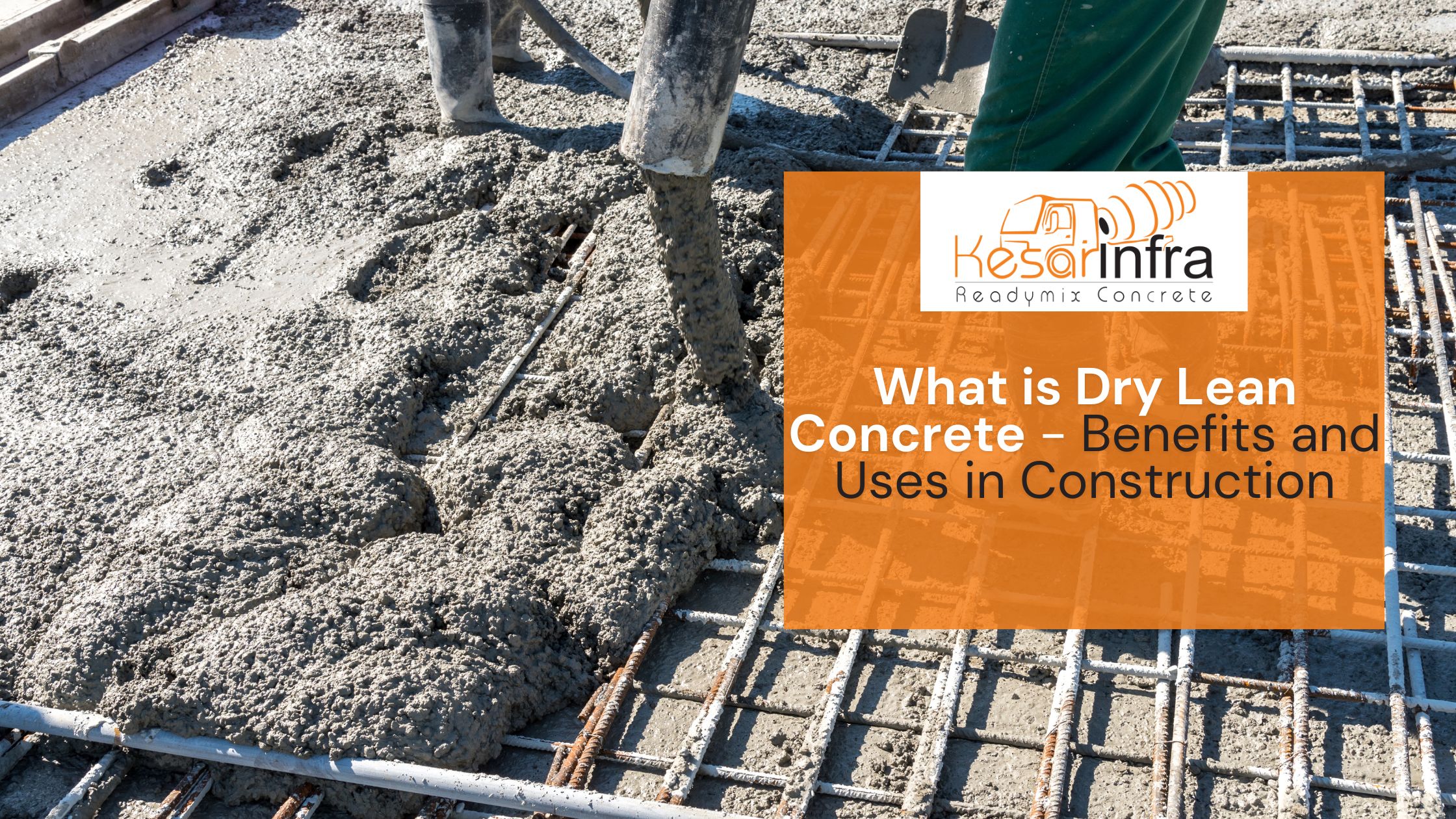
Concrete has been the backbone of modern construction for centuries. From highways to high-rises, it plays a critical role in providing strength and durability. Among the different types of concrete, Dry Lean Concrete (DLC) has become increasingly popular, especially in road projects, pavements, and foundations. Known for its cost-effectiveness, ease of application, and strength, DLC is a reliable choice for builders and contractors who want long-lasting results without exceeding their budgets.
In this article, we will explore what Dry Lean Concrete is, its benefits, applications, and why choosing the right supplier makes a difference.
What is Dry Lean Concrete (DLC)?
Dry Lean Concrete (DLC) is a special type of concrete designed with a low cement-to-aggregate ratio compared to traditional mixes. Unlike conventional concrete, which contains more cement for structural strength, DLC uses just enough cement to bind aggregates together and create a solid, compacted base.
A typical DLC mix design includes:
- Cement: Lower quantity than OPC (Ordinary Portland Cement) or PPC (Portland Pozzolana Cement) mixes.
- Fine aggregates (sand): Provides binding and filling.
- Coarse aggregates: Ensures bulk and strength.
- Water: Added sparingly—only enough for proper compaction.
Because of this lean composition, Dry Lean Concrete has higher density, low shrinkage, and better resistance to cracking, making it a preferred choice for base layers in road and pavement projects.
Key Advantages of Using Dry Lean Concrete
1. Cost-Effective Construction
The biggest advantage of DLC is affordability. Since it uses less cement, the material is much more economical than traditional concrete. For large-scale projects like highways, airports, or industrial pavements, using DLC can lead to significant cost savings without compromising on performance.
2. Durability and Strength
Despite its lean mix, DLC provides excellent compressive strength when compacted properly. It creates a rigid base layer capable of withstanding heavy traffic and load-bearing stresses. This prevents cracks in the upper pavement layers and extends the lifespan of the structure.
3. Ideal for Road Construction
Dry Lean Concrete is widely used in road and highway projects as a sub-base layer. It distributes loads uniformly, reduces rutting, and enhances the overall performance of both rigid and flexible pavements.
4. Faster Application and Time-Saving
DLC is relatively simple to mix and place. With the help of modern machinery, contractors can cover large areas quickly, reducing project timelines. This also translates to lower labor costs and fewer delays.
5. Environmentally Friendly Option
Because DLC uses less cement, it naturally contributes to lower CO? emissions during production. For companies adopting sustainable construction practices, this makes Dry Lean Concrete a greener alternative to conventional mixes.
Major Applications of Dry Lean Concrete
DLC has become a preferred choice in infrastructure development, thanks to its versatility and strength. Some common applications include:
- Road and Highway Sub-bases – Provides a strong, durable foundation beneath pavement layers.
- Airport Runways and Taxiways – Withstands heavy aircraft traffic and load pressures.
- Building Foundations – Acts as a stable platform for bridges, towers, and industrial buildings.
- Industrial Pavements – Used in factories, warehouses, and yards where heavy machinery operates.
- Expressways and Highways – Improves soil strength and enhances pavement longevity.
In short, Dry Lean Concrete ensures durability, stability, and long-term performance across diverse construction projects.
DLC vs Other Concrete Types: A Quick Comparison
|
Feature |
Dry Lean Concrete (DLC) |
Ordinary Concrete |
|
Cement Content |
Low (lean mix) |
High |
|
Cost |
Economical |
Expensive |
|
Applications |
Roads, pavements, sub-bases |
Slabs, beams, columns |
|
Durability |
Excellent for pavements |
Excellent for structural loads |
|
Eco-Friendliness |
More sustainable |
Less sustainable |
- For projects that demand a durable and cost-effective base, Dry Lean Concrete (DLC) is the smarter choice. However, if your project requires higher structural strength, OPC or PPC mixes can be considered.
Practical Tips for Buyers and Builders
- Check Mix Proportions – Ensure the right ratio of cement, sand, and aggregates for maximum strength.
- Confirm Density and Thickness – For roads, DLC thickness usually ranges from 150mm to 200mm depending on traffic load.
- Ask for Test Reports – Reliable suppliers should provide quality control certifications.
- Choose Trusted Suppliers – Partner with companies like Kesar Infra that have experience in producing ready-mix DLC for large projects.
Why Choose Kesar Infra for Dry Lean Concrete?
At Kesar Infra, we understand that the quality of your concrete mix defines the success of your project. That’s why we specialize in producing premium Ready-Mix Dry Lean Concrete (RMC) that meets strict industry standards.
Here’s why leading builders trust us:
- State-of-the-art RMC plants for consistent quality.
- On-time delivery to prevent costly delays.
- Custom mix designs tailored to your project’s needs.
- Proven expertise in highways, industrial, and commercial projects across India.
With Kesar Infra’s DLC solutions, you get a perfect balance of cost-effectiveness, durability, and performance.
Conclusion
Dry Lean Concrete (DLC) has emerged as a cost-effective, durable, and sustainable choice for modern infrastructure. From roadways to runways, its applications make it indispensable for long-lasting projects. By partnering with the right supplier, you not only save on costs but also ensure quality, reliability, and peace of mind.
Looking for a trusted Dry Lean Concrete supplier in Gujarat? Contact Kesar Infra today for reliable, cost-effective RMC solutions tailored to your project needs.